Essay · Giving Back
What I gave a nonprofit, and what it gave back.
Four months, one investment policy, and a lesson about what business school is actually for.
I volunteered to write a financial document for a nonprofit. I left thinking about permanence.
I want to tell you about the Lower Manhattan Cultural Council, LMCC, because it deserves more attention than it gets.
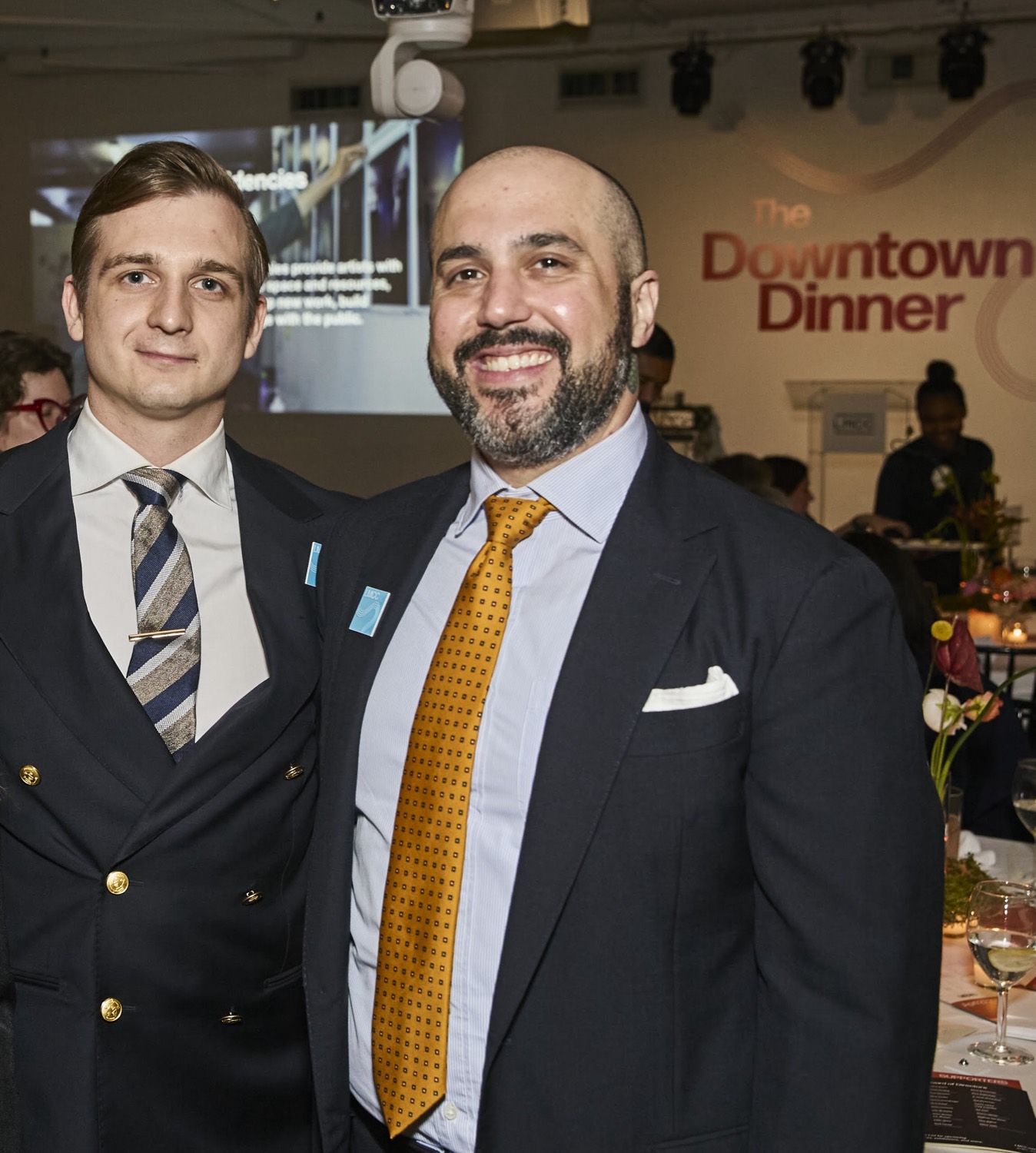
LMCC was founded in 1973, the year the World Trade Center was dedicated, to bring art and culture to a district that emptied out after the closing bell. Five decades later, it is still here. Lower Manhattan has taken shock after shock, the 1987 crash, 9/11, the 2008 collapse, the pandemic, and come back each time. LMCC has been part of that resilience the whole way: residencies that give artists room to experiment, grants that reach neighborhood projects, public art, and a stubborn belief that culture belongs downtown.
Then there is Governors Island. I will come back to that.
A familiar face
When I came across the opportunity to help LMCC, I recognized the name at the top of it. Moe Yousuf was a classmate from my Columbia program. He is now LMCC's President and CEO.
That is the part of business school nobody puts in the brochure. You spend two years next to people who are sharp, curious, and quietly building things. Then one day the network stops being a LinkedIn abstraction and becomes a specific person, running a specific institution, that needs a specific thing you happen to know how to do.
Columbia sold me on a lot of things. The one that has compounded most is the people, the quality of the questions they ask, and the fact that years later you still want to show up for them. Knowing Moe gave me the confidence to step in and offer something I could actually deliver.
The question nobody had answered
Here is what I found: LMCC had never built a formal Investment Reserve Policy. No documented philosophy for how its reserves should be invested. No framework for risk tolerance. No plan for outliving its current funding.
This sounds dry. It is not.
A reserve policy is the quiet answer to a very large question: how does an organization make sure it is still standing for the next generation? How does it move from living grant to grant toward something more durable?
For most arts nonprofits, this is the central tension of their existence. Their funding is some mix of grants, government support, and donations, sources that move with election cycles, economic moods, and the priorities of a handful of large funders. A great program can be one budget cut away from disappearing. Money held in reserve, and eventually an endowment, is how an institution buys independence from that volatility. It is the difference between reacting to the world and outlasting it.
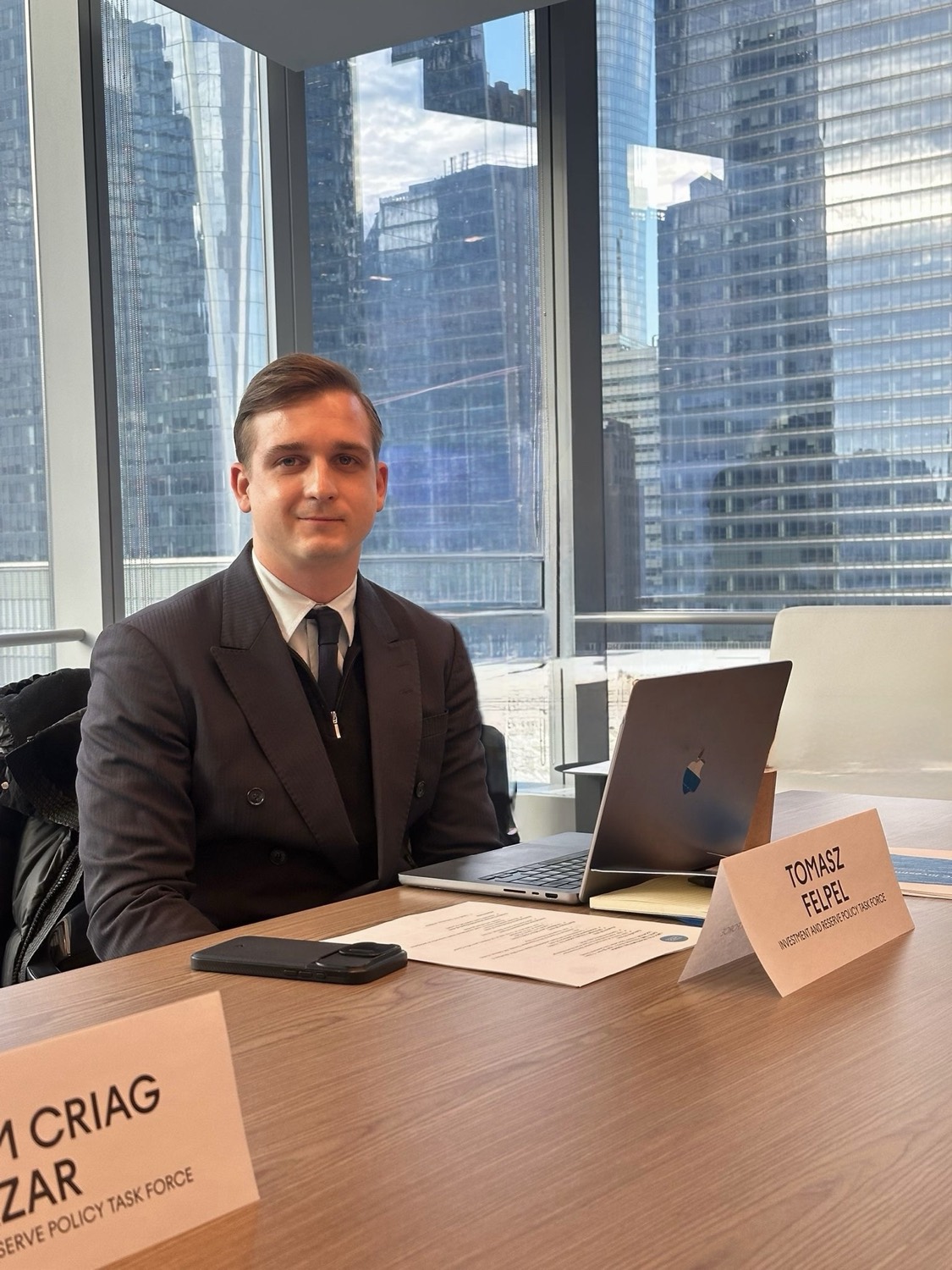
I volunteered to build the policy, alongside a team of three.
Four months of unglamorous work
Over four months, we wrote it from the ground up: investment philosophy, risk tolerance, liquidity needs, governance. Who decides how the reserves are invested. What the organization will and will not own. How much has to stay liquid so a hard year never forces a fire sale. Who stays accountable once the people who wrote the policy are long gone.
We were not managing money. We were building the architecture that decides how the money behaves, the rules that hold when no one is watching. It is the kind of work that never makes a headline and ultimately determines whether an organization gets to have a fiftieth anniversary, and then a hundredth.
We presented it to the board. The board accepted it. And it laid the groundwork for what could, in time, become a real endowment, the kind of foundation that turns a beloved organization into a permanent one.
The part I did not plan for
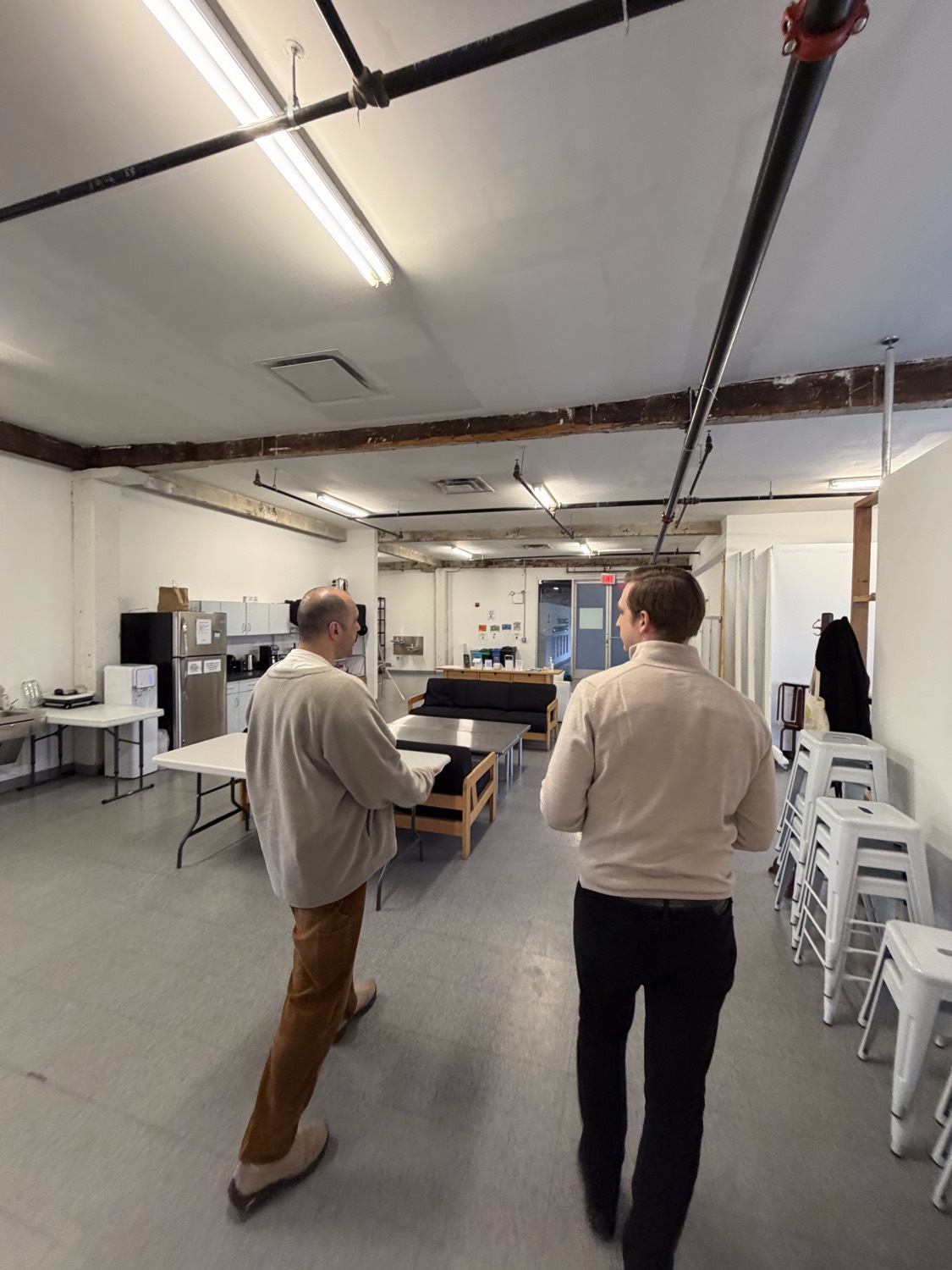
Somewhere in the middle of all this, I visited LMCC's space on Governors Island.
It stopped me cold.
The Arts Center is a 40,000-square-foot warehouse from the 1870s, opened in 2019 as a place for artists to make work at a scale almost nothing else in the city allows. Standing inside it, you feel the thing a spreadsheet cannot capture: the room, the light, the half-finished work, the community that has formed around it.
I had come to help with a financial document. I left convinced that what they have built out there deserves to outlast all of us, and with a clearer sense of why the dry policy work mattered in the first place. The reserve policy and the warehouse are the same project seen from two ends. One is the architecture of permanence. The other is what permanence is for.
What this is really about
This is what staying connected to your cohort actually looks like. Not swapping job updates over coffee. Showing up. Doing the actual work an institution needs.
It is also a reminder I would offer any business school graduate: your skills are not only for your career. The same financial discipline that builds a company or a fund can help a cultural institution survive its next fifty years.
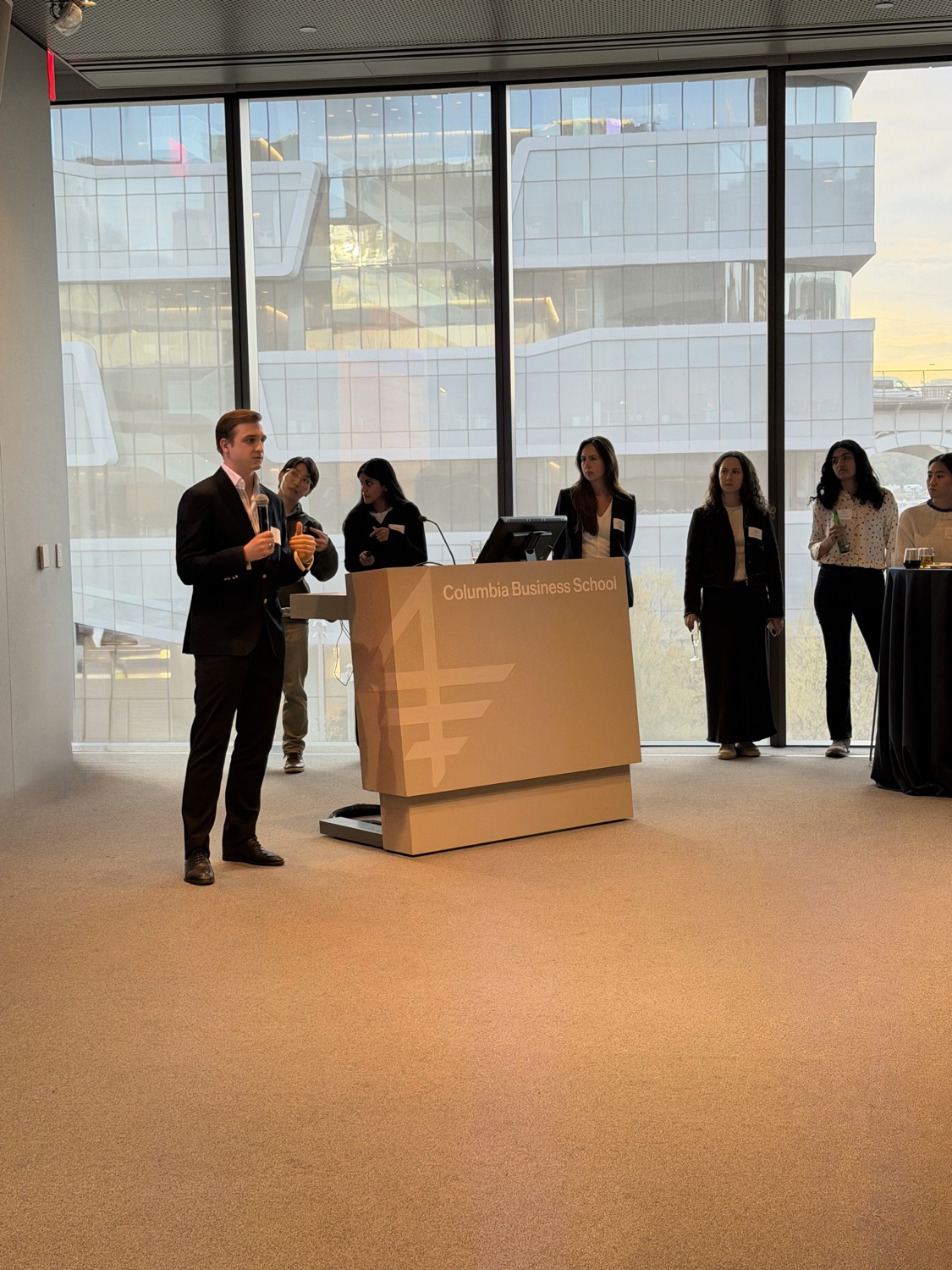
I gave LMCC four months. It gave me back a sharper sense of what the work is for.
If you live or work in New York and have not encountered LMCC, look them up. And if you are in a position to support them, as a donor, a partner, or simply an audience, do.
Permanence is never an accident. Someone has to decide it is worth building.
Common questions
What is an investment reserve policy, and why does a nonprofit need one?
An investment reserve policy is the documented framework that governs how an organization invests the money it holds in reserve: its investment philosophy, risk tolerance, liquidity needs, and governance. Most arts and cultural organizations live grant to grant, on funding that moves with election cycles and donor priorities. A reserve policy, and eventually an endowment, is how an institution buys independence from that volatility and moves from reacting to the world toward outlasting it.
What is the Lower Manhattan Cultural Council?
Founded in 1973, LMCC brings art and culture to Lower Manhattan through artist residencies, grants, and public art, including the Arts Center at Governors Island, a 40,000-square-foot warehouse from the 1870s opened to artists in 2019.
Related reading
- I built in American finance without a single warm intro. It became my edge.
- In private markets, the house has already read everyone's cards.
- What I learned about M&A pricing after running 1,000+ valuations.
Go deeper
The same discipline that builds an investment policy is the one I bring to pricing a private company or pressure-testing a deal.
Tomasz Felpel is an investor, founder, and advisor in private markets and healthcare, based in New York. He founded Value Alpha, an AI-powered private-markets valuation platform, and Sonnerie VC, an early-stage healthcare venture firm. Previously he led corporate development and M&A at Fortune 500 scale. Columbia Business School EMBA. Read the full story.